 KangRoad Electrical




Whitepaper: The Global Evolution of Salon Flat Iron Technology
A deep dive into next-generation thermal styling systems, market shifts, and procurement strategies for B2B brands.
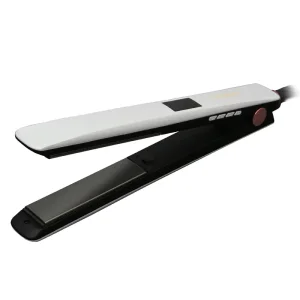
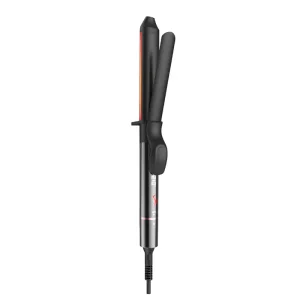
The global salon styling tool industry is undergoing a structural transformation driven by advanced thermodynamics, materials science, and intelligent feedback control. As commercial salon environments demand increased styling throughput with absolute hair health safety, basic flat irons are giving way to active thermo-regulated ecosystems. Historically, straighteners relied on simple resistive heaters coupled to metal plates, resulting in structural thermal lagging, uneven heat distribution, and critical cuticle degradation. Today, leading global engineering firms and OEM/ODM hubs are leveraging Metal Ceramic Heater (MCH) systems, plasma ionization technology, and high-frequency sensor loops to achieve high-performance results without structural hair damage.
Micro-Sensor Heat Stabilization
Modern salon flat irons utilize integrated microprocessors that query internal thermistors up to 250 times per second, maintaining absolute thermal stability regardless of moisture load.
Ionic Plasma Hydration
Dual-emitter ionic systems inject millions of active negative and positive ions per cubic centimeter, breaking down water molecules into microscopic droplets that penetrate the hair cortex.
Sustainable Thermal Density
Advanced ceramic composites and anodized structural titanium coatings deliver exceptional thermal transfer efficiency, reducing power consumption during prolonged salon operation.
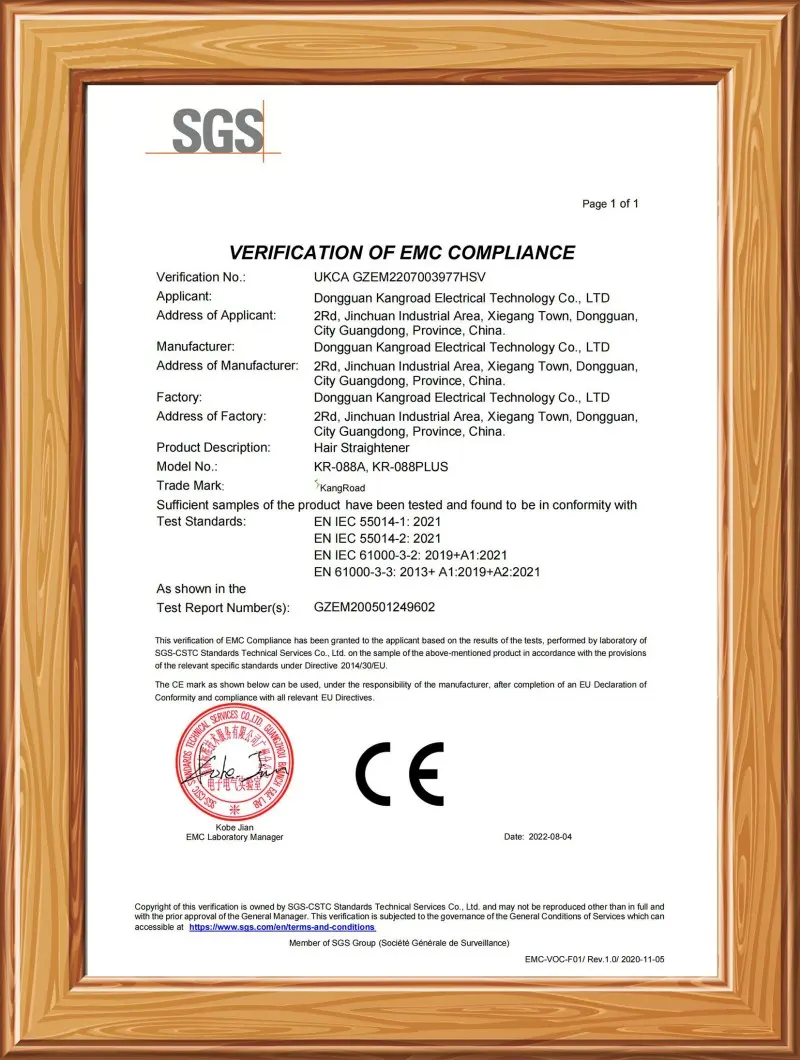
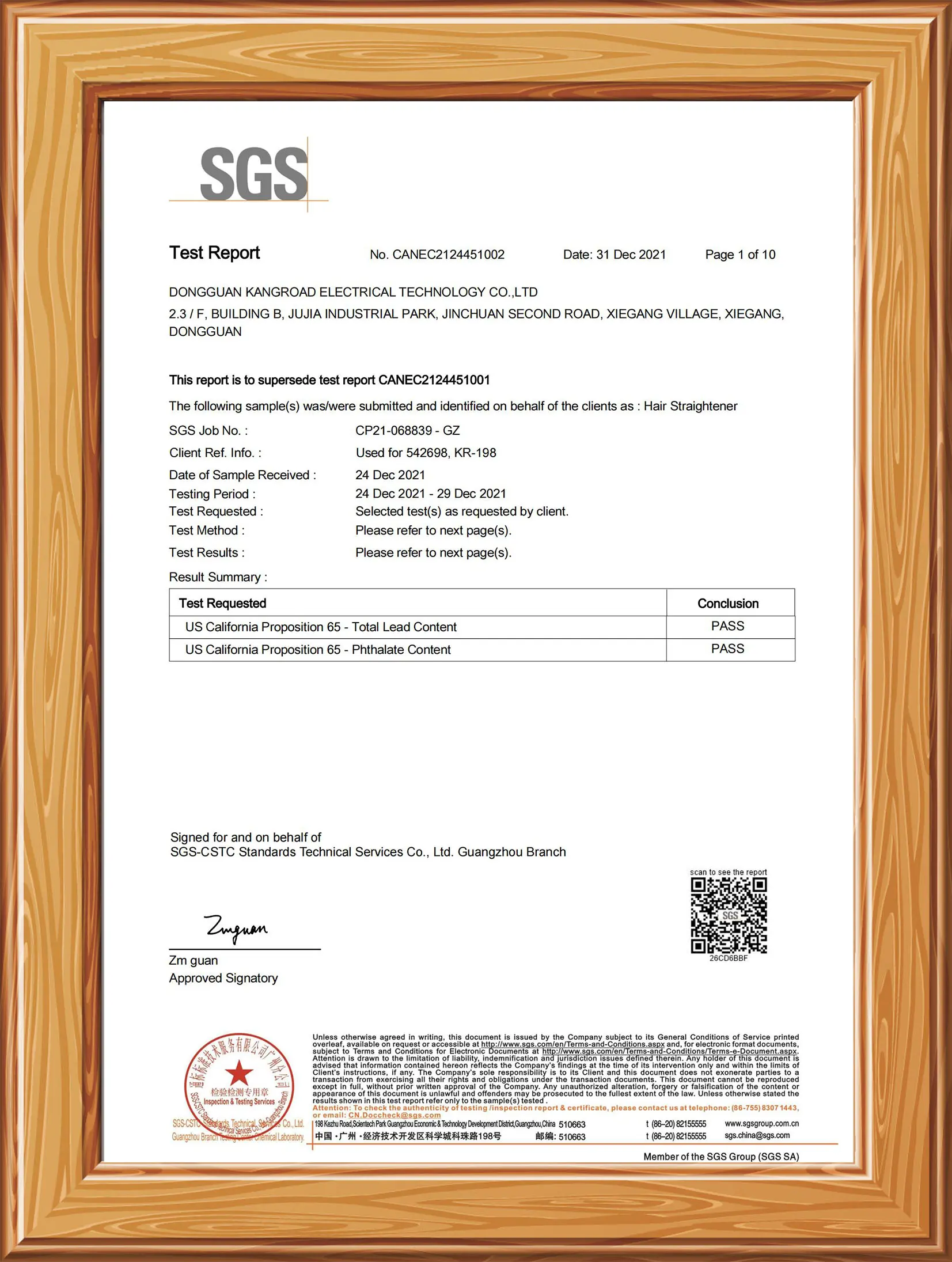
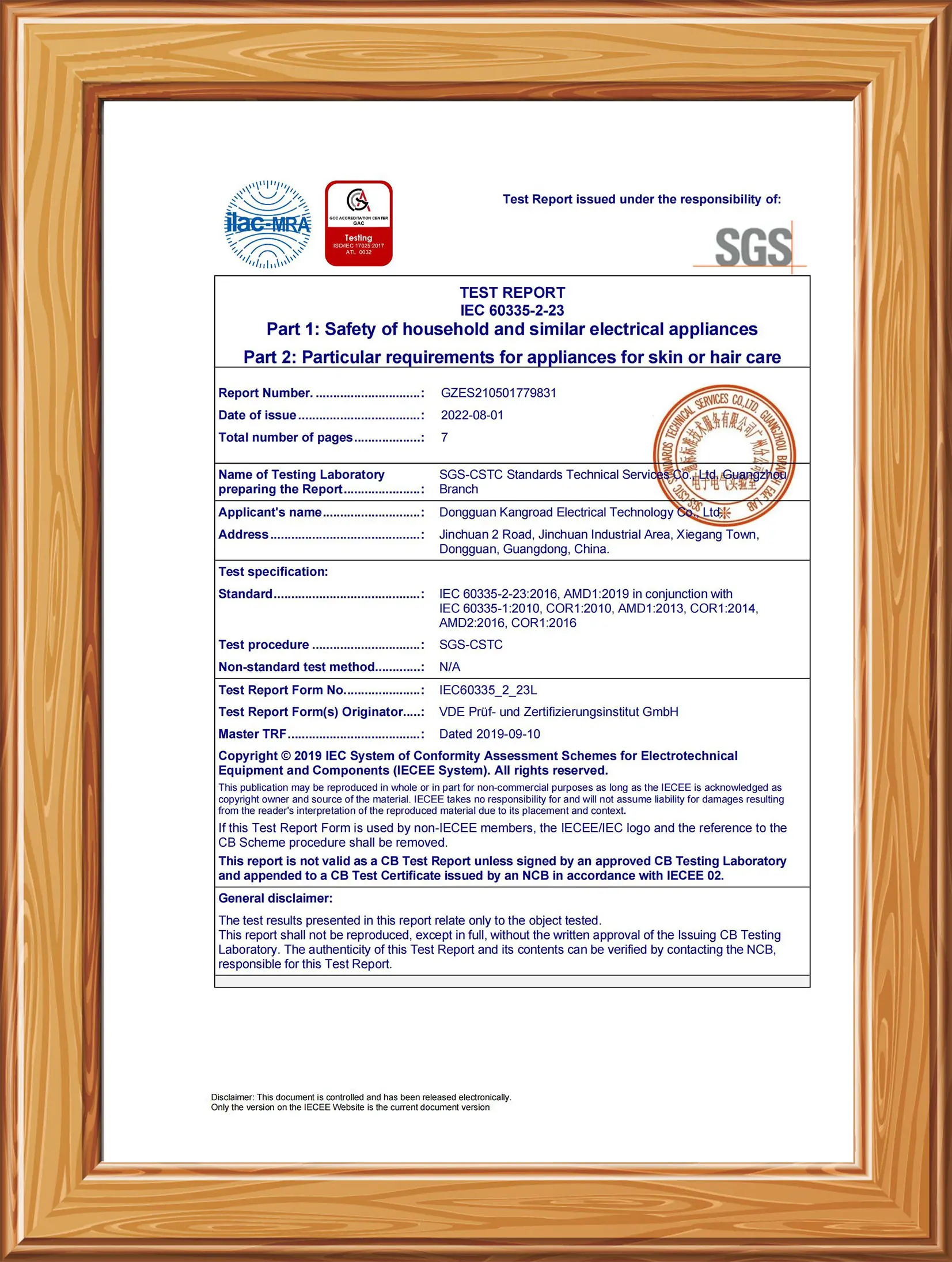
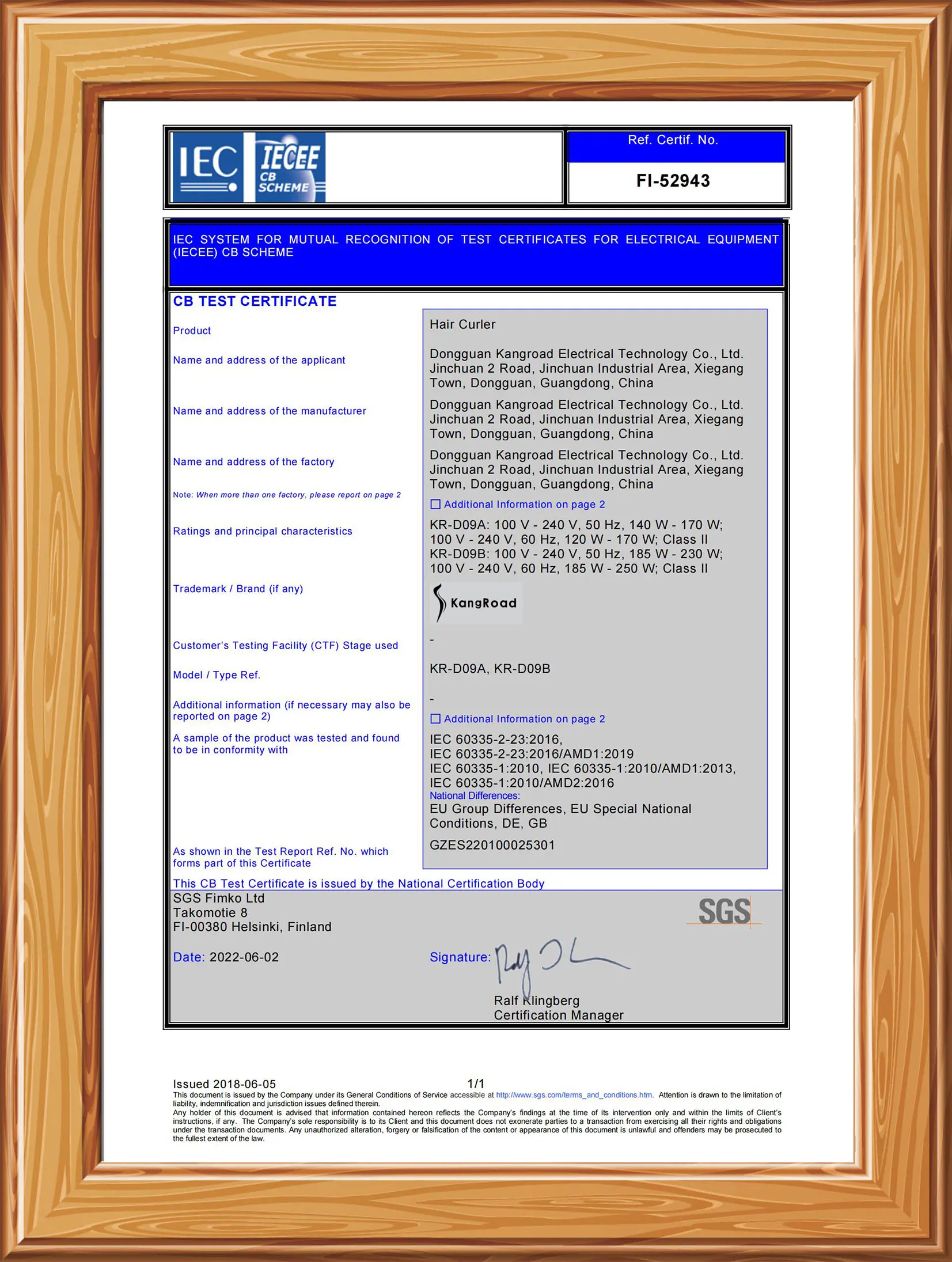
From an enterprise procurement standpoint, purchasing decisions are shifting away from price-per-unit metrics to encompass total lifecycle reliability, failure-in-field (FIF) rates, and international safety compliance. B2B importers, e-commerce brand owners, and styling chains require manufacturing partners capable of combining rapid design verification with robust regulatory certification pipelines. The synergy of hardware innovation and precise engineering determines a product's market success, making factory-level capabilities a crucial variable in brand growth.