What Is a Professional Hair Salon Dryer?

Time:2026-09-30 Author:Amelia
0%

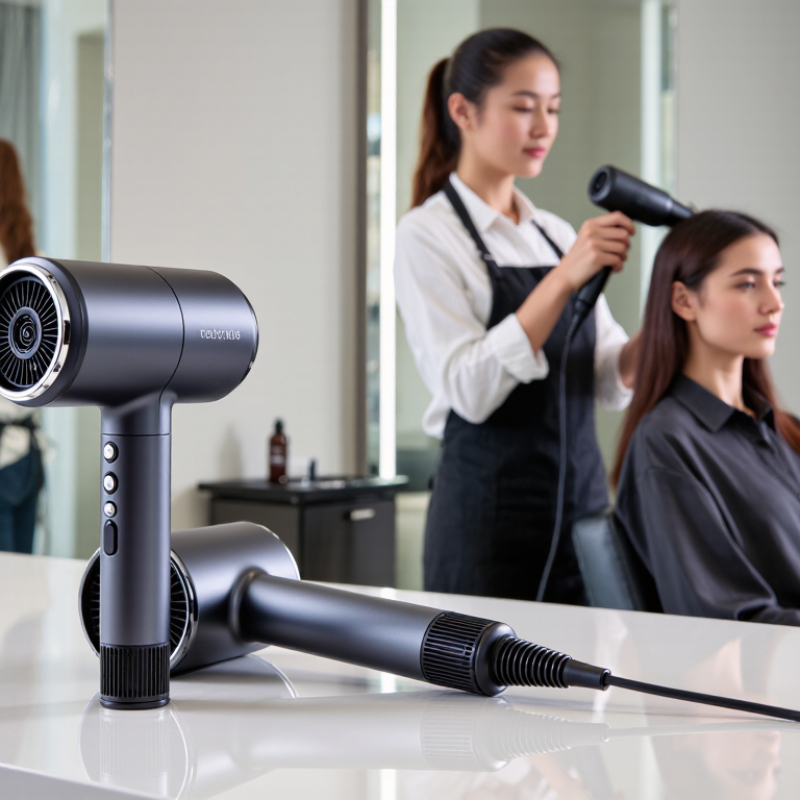
A Professional Hair Salon Dryer is built for repeated use, controlled airflow, and practical styling work. Unlike many basic home models, salon dryers often offer multiple heat and speed settings, a concentrator nozzle, and a design suited to longer sessions. The label “professional” alone proves little, though. Build quality, heat consistency, weight, and service support matter more than dramatic marketing claims.

Market figures offer useful context, but they need careful interpretation. Grand View Research estimated the global hair dryer market at approximately US$10.7 billion in 2023 and projected continued growth through 2030. This figure covers hair dryers broadly; it does not isolate salon-grade equipment. That distinction matters. A growing market does not automatically mean every salon dryer performs well, or that higher-priced models produce healthier hair.

In practice, a stylist may use a dryer for hours, moving between damp roots and carefully shaped ends. Stable airflow can help make that routine more predictable, while adjustable heat gives users more control. Still, technique matters. Excessive heat or holding the nozzle too close can stress hair, even with an expensive tool. Worth remembering. This guide explains what makes a dryer suitable for salon work, which features deserve attention, and where product claims should be questioned. The best choice is not always the most powerful one. It is the model that balances performance, comfort, durability, and sensible heat control.
What Is a Professional Hair Salon Dryer?

Definition and Core Purpose of a Professional Hair Salon Dryer

What Is a Professional Hair Salon Dryer?

A professional hair salon dryer is a powered tool designed for controlled, repeated hair drying. It is not simply a hotter household dryer. Its core purpose is to move air evenly, remove moisture efficiently, and support precise styling. Professional models usually provide adjustable heat, airflow, and a cool setting. Concentrator nozzles help direct air along the hair shaft. Diffusers spread airflow for curls and textured hair.

Salon work demands consistency. The U.S. Bureau of Labor Statistics projects 8% employment growth for barbers, hairstylists, and cosmetologists from 2022 to 2032. That projection suggests continued demand for repeated styling services. A dryer must therefore withstand frequent handling while limiting unnecessary heat exposure. In practice, a stylist checks the client’s hair density, porosity, and scalp comfort before choosing a setting. Heat should follow the hair, not fight it.

The Grand View Research Hair Dryer Market report estimated the global market at roughly US$10 billion in 2023. However, that figure combines consumer and professional equipment, so it cannot prove salon demand alone. This distinction matters. A professional dryer’s value depends less on maximum wattage than on airflow control, balance, durability, and service speed. Noise also matters in a busy room. Small design details affect a long working day. Yet no dryer prevents every mistake. Poor sectioning or excessive heat can still damage hair, even with advanced controls.

Main Components and How the Dryer Produces Heat and Airflow

What Is a Professional Hair Salon Dryer?

A professional hair salon dryer is built for steady airflow, controlled heat, and repeated daily use. Its main components include a heating coil, motor, fan, thermostat, thermal fuse, switches, and an insulated housing. The motor spins the fan, which pulls room air through the rear filter. Air then passes across the heated coil. The coil raises its temperature through electrical resistance. Warm air exits through the nozzle at higher pressure.

Airflow and heat must work together. High airflow removes moisture faster, while excessive heat can roughen the cuticle and dry the scalp. A thermostat limits temperature changes, and a thermal fuse interrupts power during dangerous overheating. In practice, a clean filter matters more than many users expect. Dust restricts intake, strains the motor, and weakens airflow.

Grand View Research estimated the global hair dryer market at about 9.2 billion dollars in 2023. Its report also projects a 5.1% compound annual growth rate from 2024 to 2030. This growth reflects demand for faster styling and more durable equipment, not necessarily better thermal control.

The U.S. Department of Energy explains that electric resistance heating converts nearly all incoming electricity into heat, but the motor still consumes energy. An 1,800-watt dryer used for 15 minutes consumes roughly 0.45 kilowatt-hours. That calculation is simple. Real performance is less perfect. Nozzle shape, room humidity, hair density, and maintenance can change the result.

Key Features That Distinguish Professional Salon Dryers

What Is a Professional Hair Salon Dryer?

Key Features That Distinguish Professional Salon Dryers

A professional salon dryer is built for repeated use, precise control, and steady airflow—not just high heat. Look for multiple heat and speed settings, a cool-shot option, and a removable filter. These features let stylists adjust airflow for thick, fine, or chemically treated hair, while a clean filter helps maintain performance. A balanced handle and manageable weight matter during long appointments. Small details count.

Motor type and wattage are useful clues, but neither tells the whole story. Check whether airflow remains consistent across settings and whether the dryer feels comfortable after several minutes of use. A salon tool should also have durable cord connections and clear safety instructions. That sounds obvious, yet it is easy to overlook.

Tips: Keep the nozzle several inches from the hair and keep it moving. A 2011 study in Annals of Dermatology compared drying at 47°C, 61°C, and 95°C; higher temperatures produced more visible surface damage. Use moderate heat when practical. No setting makes careless technique harmless. Drying time and hair condition vary, so watch the strands, not only the clock.

What Is a Professional Hair Salon Dryer? — Key Features That Distinguish Professional Salon Dryers

A professional salon dryer is designed for frequent, repeated use and controlled styling. The features below are common points of comparison; specifications vary by model, and no single feature alone defines a professional dryer.

Feature Professional Salon Dryer Typical Consumer Dryer Why It Matters
Motor and duty cycle Often built for frequent operation in a salon setting, with motor design and construction intended to withstand repeated use. Usually designed around intermittent household use; construction and expected workload differ by model. Repeated daily operation places greater demands on the motor and other components. “Professional” does not guarantee a specific lifespan.
Airflow and drying performance May provide strong, consistent airflow, with settings that let the stylist balance drying speed and styling control. Airflow varies widely; some household models also offer strong output and multiple settings. Airflow helps move moisture away from the hair. Drying time also depends on hair length, density, moisture, technique, and nozzle use.
Heat and speed controls Commonly includes several heat and airflow settings, plus a cool-shot function on many models. May offer fewer settings, though many consumer dryers have comparable controls. Separate adjustments make it easier to tailor heat and airflow to the hair and styling task. High heat is not necessary for every hair type.
Attachments Often supplied with concentrator nozzles; some models are compatible with a diffuser or other styling attachments. May include one or more attachments, depending on the product. A concentrator directs airflow for smoothing and targeted styling. A diffuser spreads airflow and can help dry curls with less disruption.
Cord and handling May have a longer cord or features intended to support movement around a styling station. Weight and balance vary. Often designed for convenient home storage and use; cord length and weight vary by model. Cord reach, handle comfort, and overall balance can affect ease of use during longer styling sessions.
Filter and maintenance Many models provide an accessible air filter that can be cleaned according to the manufacturer’s instructions. Filter access and cleaning requirements vary; some designs are less convenient to service. Lint and dust can restrict airflow. Keeping the filter clear supports proper operation and may help reduce overheating risk.
Electrical rating and safety Designed for the electrical supply and safety requirements of its intended market; salon use may require checking the outlet and local rules. Also subject to applicable electrical and product-safety requirements, with ratings that vary by market. Check the voltage, wattage, plug type, and manufacturer guidance before use. A dryer should not be used near water unless specifically designed and permitted for that use.
Repair and serviceability Some models may offer replaceable parts or service support, but availability depends on the product and region. Repair options vary; some household models are designed to be replaced rather than repaired. Parts availability and service terms can affect long-term ownership costs. Confirm these details before buying.

Practical takeaway: Look for suitable heat and speed controls, comfortable handling, a cleanable filter, and electrical ratings that match the intended location. Compare the published specifications and care instructions rather than relying on the “professional” label alone.

Types of Professional Hair Salon Dryers and Their Uses

Professional salon dryers differ by airflow, heat delivery, and how they hold hair during styling. Handheld dryers suit quick rough-drying and section-by-section work. Their concentrated nozzles help smooth a fringe or direct airflow along a brush. Diffusers spread airflow more gently across curls, though technique still matters. A powerful dryer is not automatically a better choice.

Hooded dryers, including standing and wall-mounted models, let clients sit while warm air surrounds rollers or sets treatments. They are useful for hands-free, even drying, but require space and careful temperature checks. Infrared or ionic models are also marketed for faster drying or smoother results; those claims can vary with hair condition and technique. Grand View Research valued the global hair dryer market at about US$10.8 billion in 2023 and forecast 5.3% annual growth from 2024 to 2030. That market figure shows demand, not proof that one dryer type performs best. Check airflow, heat settings, noise, and maintenance needs in actual salon use. A label can’t tell the whole story.

Safety, Maintenance, and Selection Considerations

A professional hair salon dryer is built for repeated use, steady airflow, and controlled heat. Safety begins with placement: keep the intake clear of towels, hair, and dust, and leave space around the housing. A blocked vent can trap heat. Check the cord and plug before each shift. If the casing cracks, the plug feels unusually warm, or the dryer makes a new rattling sound, stop using it and arrange inspection. Small warning signs matter.

Maintenance is simple, but easy to postpone. Unplug the dryer and let it cool before cleaning. Remove lint from the filter with a soft brush, following the unit’s instructions. Wipe the exterior with a slightly damp cloth; never immerse electrical parts. In a busy salon, a weekly filter check is a practical baseline, though heavy use may call for more frequent cleaning. Keep a short service log. It sounds fussy, but it can reveal recurring problems.

Selection depends on the salon’s work, not just wattage. Compare airflow, heat settings, weight, noise, and the position of controls. A lighter dryer may reduce wrist strain during long appointments, while adjustable heat helps match different hair textures and styling needs. Ask staff to handle the model before purchase. Their feedback can be imperfect, and mine would be too, but comfort becomes obvious after several hours. Confirm that replacement filters and service support are available. Don’t guess from a showroom demo alone.

Hair Dryer Power and Energy Use

Calculated energy use for 30 minutes of operation at each rated power level. Actual consumption may vary with the dryer’s settings and usage.

FAQS

What makes a salon dryer different from a household dryer?

It is designed for repeated use, steady airflow, and controlled heat. Small details matter.

Which settings are useful for different hair types?

Adjustable heat and airflow help suit fine, thick, or treated hair. A cool setting can help finish a style.

How should I use heat more carefully?

Keep the nozzle several inches from the hair and keep it moving. Moderate heat is often practical. No setting makes careless technique harmless.

What do concentrator nozzles and diffusers do?

A concentrator directs air along hair sections. A diffuser spreads airflow for curls and textured hair.

How can I keep a dryer working well?

Unplug it, let it cool, then remove filter lint with a soft brush. Clean more often if salon use is heavy. That step is easy to postpone.

Which warning signs mean the dryer needs inspection?

Stop using it if the casing cracks, the plug feels unusually warm, or a new rattle starts. Small warning signs matter.

What should a salon consider before choosing a dryer?

Compare airflow, heat controls, weight, noise, cord, and service support. Ask staff to hold it for several minutes; a showroom demo can fool you.

Can a professional dryer prevent all hair damage?

No. Excessive heat or poor sectioning can still damage hair. A 2011 study found more visible surface damage at higher test temperatures, but technique matters too. I’d avoid treating one study as a complete answer.

Conclusion

A Professional Hair Salon Dryer is a purpose-built tool designed to dry and style hair efficiently, consistently, and comfortably. It works by drawing in air, heating it with internal components, and directing the airflow through a nozzle or diffuser. Its motor, heating element, fan, and temperature controls work together to provide different levels of heat and airflow for a range of hair types and styling needs.

Compared with basic household models, professional dryers often offer stronger airflow, adjustable settings, ergonomic designs, and features that help manage heat exposure. Options may include handheld dryers for versatile styling, hooded dryers for hands-free drying, and diffusers for curls and textured hair. Safe use includes keeping air inlets clear, avoiding excessive heat, and allowing the dryer to cool before storage. Regularly cleaning the filter and checking the cord can help maintain performance. When choosing a dryer, consider its weight, controls, airflow, heat options, and the needs of the people who will use it.


Amelia

Amelia

Amelia is a seasoned marketing professional with a wealth of expertise in our company’s core offerings. With an unwavering passion for driving growth and innovation, she plays a pivotal role in shaping our marketing strategies and enhancing brand visibility. A key aspect of her responsibilities......