How to Choose the Best Hair Dryers With Comb in 2026

Time:2026-10-05 Author:Madeline
0%

Choosing the right Hair Dryers With Comb can make everyday styling faster, smoother, and less tiring. In 2026, these tools combine airflow, heat control, and comb attachments in increasingly compact designs. Yet a higher price does not always guarantee better results. A dryer may feel powerful but create excessive heat near the scalp. Another may glide gently but take too long on thick hair.

This guide examines the details that matter during real use. It considers motor strength, temperature settings, comb spacing, handle comfort, cord length, noise, and attachment quality. Fine hair often needs lower heat and gentler airflow. Dense, curly hair may require stronger circulation and wider teeth. A comfortable grip also matters when styling takes fifteen minutes instead of five. Small design choices become obvious in front of a mirror.

Reliable recommendations should come from more than advertisements. We compare manufacturer specifications with practical styling experience, safety guidance, user feedback, and professional hair-care principles. Important checks include overheating protection, adjustable heat, and clear cleaning instructions. There is no perfect model for everyone. That is worth remembering. Personal technique, hair condition, and maintenance can change the outcome. Even expert testing has limits, especially when hair textures and daily routines differ. This introduction prepares you to judge each feature carefully, avoid exaggerated claims, and select a Hair Dryers With Comb model that fits your actual needs. Expect useful comparisons, but keep a critical eye. Your hair will reveal the truth.
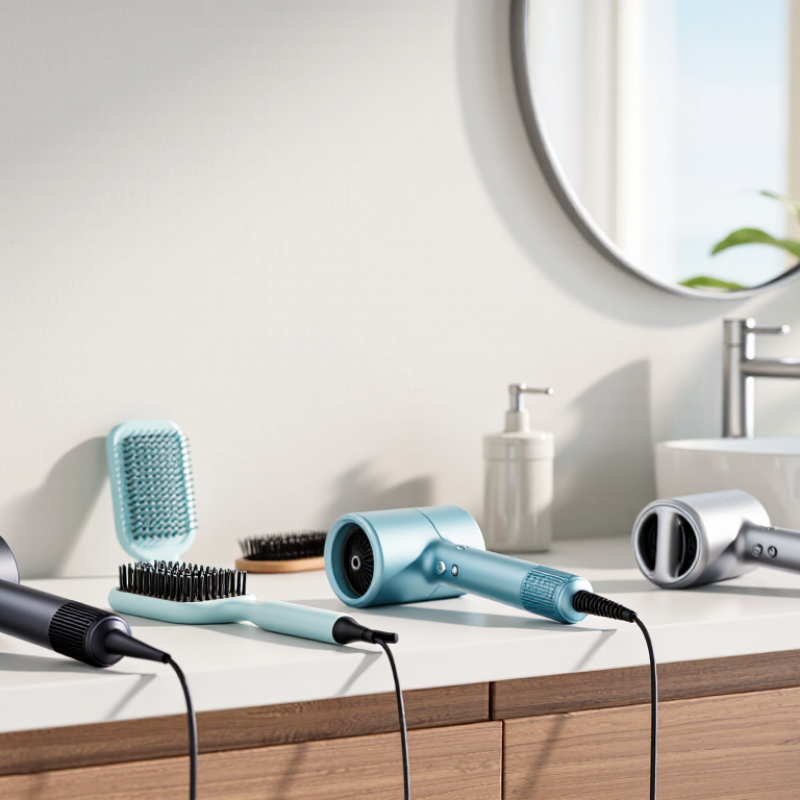
How to Choose the Best Hair Dryers With Comb in 2026

Understanding Hair Dryers With Combs and Their Main Functions

How to Choose the Best Hair Dryers With Comb in 2026

A hair dryer with a comb combines airflow, heat, and guided brushing in one tool. Its comb attachment separates strands while directing warm air along the hair shaft. This can reduce the need for a separate brush. It may also make morning styling more manageable. However, the attachment is not magic. It cannot replace careful sectioning or gentle handling.

The main functions include drying, detangling, smoothing, stretching curls, and creating light volume. Wide-tooth combs suit thick, curly, or tightly textured hair because they reduce pulling. Narrower combs provide more control for straighter styles. Adjustable heat and speed settings matter greatly. Fine hair usually needs lower heat, while dense hair may need stronger airflow. Always keep the tool moving. Holding heat over one area can cause dryness or breakage.

I once used high heat to finish faster. My roots dried quickly, but the ends felt rough afterward. That small mistake changed my routine. I now towel-dry gently, divide hair into sections, and begin with medium airflow. A heat protectant can help, but it does not make excessive heat harmless. Check that the comb teeth feel smooth and remain secure during use. Remove loose hair after each session. A cool-shot setting can help set the shape, although I sometimes forget to use it. Expect a learning curve.

Identifying Hair Type, Texture, and Styling Needs

How to Choose the Best Hair Dryers With Comb in 2026

Your hair type should guide the comb, airflow, and heat setting. Straight hair usually needs less tension and moderate airflow. Wavy hair benefits from a wider comb that preserves natural movement. Curly and coily hair needs more space between teeth. Tight spacing can pull strands and disturb curl patterns. The American Academy of Dermatology recommends using the lowest effective heat setting. It also advises letting hair partially air-dry before using a dryer. A 2011 study in the Annals of Dermatology found that higher heat increased hair-surface damage, especially near the scalp. That detail matters. “Hotter” is not automatically better.

Texture changes the decision further. Fine hair dries quickly but can become brittle with repeated heat. Thick, dense hair needs stronger airflow, yet excessive force may create frizz. Look for adjustable heat and speed controls, a removable comb, and a comfortable grip. The Global Hair Dryer Market report by Grand View Research projected continued market growth through 2030, reflecting wider product choice. More options can help, but they can also confuse shoppers. I once focused too much on drying speed and ignored comb tension. That was a mistake.

Tips: Test the lowest comfortable heat first. Keep the comb moving. Hold it several centimeters away. For curls, dry in sections and avoid stretching the roots. Check your hair after each session. If ends feel rough, reduce heat, airflow, or frequency.

Comparing Heat Settings, Motor Power, and Comb Attachments

Choosing the best hair dryer with a comb requires more than chasing maximum wattage. Grand View Research valued the global hair dryer market at about USD 9.3 billion in 2023, with projected growth through 2030. That expansion reflects stronger demand for versatile styling tools.

Heat control matters most. Choose at least three temperature settings and a separate cool-shot button. Use warm air for thick, damp hair. Lower heat suits fine or chemically treated strands. Motor power between 1,600 and 2,000 watts usually offers practical drying speed. However, wattage alone cannot guarantee strong airflow. Fan design, motor durability, and noise control also matter. I have found that a powerful dryer can still feel weak with a poorly shaped comb.

Comb attachments deserve close inspection. Wide-spaced teeth move through dense or coily hair with fewer pulls. Narrower teeth help smooth straight styles, but they may catch wet knots. Look for heat-resistant teeth, secure attachment points, and rounded tips. The IEC 60335-2-23 safety standard covers many hair-care appliances, so check for compliant safety information.

Tips: Test the lowest effective heat first. Keep the comb moving. Hold the dryer several centimeters away. Do not assume a higher setting works faster; it may simply create more dryness. My own preference is a medium-power motor with steady airflow, although that choice is not perfect for very thick hair.

How to Choose the Best Hair Dryers With Comb in 2026

Comparing heat settings, motor power, and comb attachments across common dryer categories

Higher motor power generally supports stronger airflow, while additional heat settings provide more control for different hair textures. Multiple comb attachments can improve versatility for detangling, stretching, and smoothing. The figures represent typical specification ranges found in current consumer hair-dryer-with-comb products and are intended for comparison rather than brand evaluation.

Evaluating Safety Features, Ergonomics, and Hair Protection

How to Choose the Best Hair Dryers With Comb in 2026

A comb dryer should feel predictable, not powerful for its own sake. When comparing models, check for adjustable heat, multiple speed settings, and a genuine cool-shot button. An automatic shutoff can reduce risk if the tool is forgotten. Look for insulated comb teeth and a housing that stays comfortable near the scalp. A recognized electrical-safety certification adds useful reassurance, but it does not replace careful use. Read the manual before testing unfamiliar attachments. I also prefer a swivel cord and balanced handle, especially during longer styling sessions. Small controls matter. Slippery buttons can cause awkward movements when hands are damp.

Hair protection depends on heat control and technique. Start with towel-dried hair, then divide thick sections before guiding the comb slowly from roots to ends. Fine or chemically treated hair usually needs lower heat and shorter passes. Curly hair may need gentler tension to preserve its shape. A removable lint filter helps maintain airflow, while blocked vents can create excess heat. Never press the comb tightly against the scalp. It is easy to rush. I have done that and noticed rougher ends afterward. A heat-protective product may help, but it cannot excuse excessive temperature. Check the hair after each pass: if it feels brittle, unusually hot, or smells scorched, stop and reduce the setting. Even the best safety features cannot correct careless handling.

Choosing the Best Model for Your Budget and Daily Routine

Choosing the Best Model for Your Budget and Daily Routine

A hair dryer with a comb should match your mornings, not only your hairstyle. If you rush before work, choose a lightweight model with simple controls. Two heat settings may be enough for quick, controlled drying. A cool-shot button helps set the style and reduce lingering heat. Check the cord length too. A short cord becomes annoying near a crowded bathroom mirror.

Your hair type also affects value. Thick or tightly curled hair may need stronger airflow and a wider comb attachment. Fine hair often benefits from lower heat and gentler airflow. Look for removable attachments, clear safety instructions, and an air filter that is easy to clean. These details support reliable performance over time. Ceramic or ionic features can help reduce frizz, but they are not magic solutions. Technique still matters.

I once chose a powerful dryer that felt impressive in the store. After several mornings, its weight made my wrist tired. That mistake changed my priorities. A comfortable handle can matter more than extra power. Set a realistic budget, then compare heat control, attachment quality, weight, and warranty support. Avoid choosing by wattage alone. A cheaper model may suit occasional users, while daily styling deserves stronger construction and easier maintenance. Personally, I would spend slightly more for comfort, but that choice depends on your routine.

FAQS

What does a hair dryer with a comb do?

It combines airflow, heat, and brushing in one tool. The comb separates strands while warm air follows the hair shaft. It can dry, detangle, smooth, stretch curls, and add light volume.

Which comb attachment suits thick or curly hair?

A wide-tooth comb usually reduces pulling on thick, curly, or tightly textured hair. Work through small sections gently. It still cannot replace careful detangling.

What settings are best for fine hair?

Fine hair usually needs lower heat and gentler airflow. Keep the tool moving continuously. High heat can leave the ends dry or brittle.

Can this tool replace a separate brush?

Often, yes, for simple daily styling. However, it may not replace sectioning or detailed shaping. The attachment is helpful, not magic.

How should I use heat safely?

Towel-dry gently before styling. Divide the hair into sections and begin with medium airflow. Keep heat moving over the strands. A heat protectant helps, but it cannot make excessive heat harmless.

What features matter for a busy morning routine?

Choose a lightweight tool with simple controls and a comfortable handle. Two heat settings may be enough. A cool-shot button can help set the shape. A short cord can become irritating near a crowded mirror.

Should I choose the most powerful dryer?

Not necessarily. Strong airflow may help dense hair, but extra weight can tire your wrist. I once chose power over comfort. That choice became annoying after several mornings.

How can I maintain the tool?

Remove loose hair after every session. Clean the air filter regularly if it is removable. Check that comb teeth stay smooth and secure. Small details matter.

Conclusion

Choosing the right Hair Dryers With Comb starts with understanding how these tools combine drying and detangling in one step. Consider your hair type, texture, length, and styling goals before making a decision. Fine or delicate hair may benefit from gentler airflow and lower temperatures, while thick or textured hair may require stronger motor power, wider comb teeth, and more flexible heat settings. Different comb attachments can also help create volume, smoothness, definition, or controlled stretching.

A practical model should offer adjustable heat and speed levels, even airflow, and reliable safety features such as overheating protection. Ergonomic design, manageable weight, a comfortable handle, and an easy-to-use control layout can make regular styling more convenient. Look for features that help reduce excessive heat exposure, including cool-air settings and attachments designed to distribute warmth evenly. Finally, compare performance, durability, attachment options, and price with your daily routine to select a dryer that fits both your budget and your long-term hair-care needs.


Madeline

Madeline

Madeline is a dedicated marketing professional with a wealth of expertise in our company's core offerings. With a keen understanding of the industry, she brings a unique perspective to her role, consistently delivering high-quality content that highlights the superior aspects of our products. As......